
Introduction
Senior dogs often slow down, but they still want to follow you everywhere. Jumping onto a bed or into an SUV can become increasingly difficult with age. It may also place unnecessary stress on painful joints.
The Best Orthopedic Dog Ramps for Beds and SUVs: Preventing Joint Strain in Senior Dogs can make these everyday movements much easier. A properly designed ramp reduces the need for jumping. It also gives older dogs a gentler route onto elevated surfaces.
Veterinary guidance supports ramps as useful mobility aids for dogs with arthritis, aging joints, back problems, or recovery needs. Ramps can reduce the impact associated with jumping onto furniture or into vehicles.
However, choosing any ramp is not enough. The ramp needs suitable length, traction, stability, width, and weight capacity. Your dog’s health and confidence also matter.
Why Senior Dogs May Need an Orthopedic Dog Ramp
Aging can affect a dog’s strength, balance, flexibility, and joint comfort. Arthritis is particularly common among older dogs. Signs can include difficulty standing, reluctance to jump, limping, and reduced interest in stairs or play.
Jumping can become especially uncomfortable when joints are already affected. The landing creates impact that an older dog may struggle to absorb.


A ramp changes the movement completely. Instead of jumping vertically, your dog walks along a gradual incline. This can make access to beds and vehicles more manageable.
For dogs with arthritis or certain back conditions, ramps may be preferable to stairs. PetMD notes that ramps provide a gentler incline and can reduce joint impact.
Best Orthopedic Dog Ramps for Beds and SUVs
The best ramp depends on where you use it. A ramp designed for a bed does not necessarily work well for an SUV.
For beds, focus on a stable indoor ramp with a gentle incline. The surface should provide dependable traction. The ramp should also fit securely beside the mattress.
For SUVs, portability becomes equally important. Look for a ramp that can fold or telescope. It should be easy to store and strong enough for your dog’s weight.
The Best Orthopedic Dog Ramps for Beds and SUVs: Preventing Joint Strain in Senior Dogs should therefore be selected according to your dog’s environment. A single ramp may work for both locations, but only if its dimensions and construction suit both uses.
What Makes a Dog Ramp Orthopedic?
An orthopedic dog ramp is not simply a piece of equipment that helps a dog climb. Its design should prioritize low-impact movement and stability.
A Gentle Incline
Ramp angle is one of the most important considerations. A longer ramp usually creates a gentler incline.
A steep ramp can force your dog to work harder. It may also make a nervous senior dog hesitate.
For bed access, measure the floor-to-mattress height first. Then consider whether your available space can accommodate a longer ramp.
For SUVs, measure the vehicle’s loading height. A ramp that works perfectly with a low crossover may be unsuitable for a taller SUV.
A Non-Slip Surface
Traction is essential for senior dogs. Slipping can cause fear and potentially lead to injury.
Look for textured carpeting, rubberized surfaces, or another material that provides secure paw grip. The surface should remain useful even when your dog’s paws are not perfectly dry.
The AKC recommends gentle slopes and non-slip surfaces for senior dogs using ramps.
Strong Weight Capacity
Never select a ramp based only on your dog’s current weight. Consider the manufacturer’s stated capacity and construction.
Large breeds need particularly sturdy ramps. A flexible or unstable surface can make an older dog uncomfortable.
The ramp should remain stable when your dog walks across it. It should not wobble, bend excessively, or shift under pressure.
Adequate Width
A narrow ramp may make some senior dogs nervous. This is especially true when they have reduced balance or vision.
A wider walking surface gives your dog more room to adjust their paws. It can also reduce the chance of stepping off the side.
For dogs with poor eyesight, side rails can provide additional confidence. AKC guidance also recommends using barriers where possible to help guide dogs and prevent premature leaps.
Choosing a Ramp for a Senior Dog’s Bed
A bed ramp should be positioned securely before your dog uses it. Check that the upper end does not slide away from the mattress.
The ramp should also have enough length to avoid creating an unnecessarily steep climb. Measure the available floor space before purchasing.
Consider your dog’s sleeping habits as well. Some dogs will happily walk up a ramp whenever they want. Others may need encouragement before accepting it.
If your dog frequently jumps down from the bed, the ramp should make the entire process easier. Do not focus only on climbing upward.
A supportive ramp can also help preserve independence. Instead of waiting for you to lift them, senior dogs may be able to access their favorite resting place themselves.
Choosing a Ramp for an SUV
SUVs present a different challenge because the loading height can be substantial.
A suitable vehicle ramp should be long enough for a manageable incline. It should also have a secure connection with the vehicle.
Before buying, measure the distance from the ground to the SUV’s entry point. Then compare that measurement with the ramp’s usable length.
Storage matters too. A foldable or telescoping design can be convenient for regular travel.
However, portability should never replace stability. A lightweight ramp that moves excessively may create more problems than it solves.
Always test the ramp while the vehicle is stationary. Check that it rests securely before allowing your dog to climb.
Ramp vs. Stairs for Senior Dogs
Both ramps and stairs can help dogs reach elevated surfaces. However, they are not equally suitable for every senior dog.
Stairs require repeated stepping and weight transfer. A ramp allows a dog to walk gradually upward.
For dogs with arthritis or back problems, that difference can matter. Veterinary guidance commonly recommends ramps as a lower-impact option for affected dogs.
Some smaller dogs with good balance may prefer stairs. However, larger dogs often benefit from ramps because lifting them can be difficult.
Your dog’s physical condition should ultimately guide the decision. A veterinarian can help determine which mobility aid fits your dog’s needs.
How to Teach a Senior Dog to Use a Ramp
Even an excellent ramp can fail if your dog is frightened by it.
Start by placing the ramp flat on the floor. Let your dog investigate it without pressure.
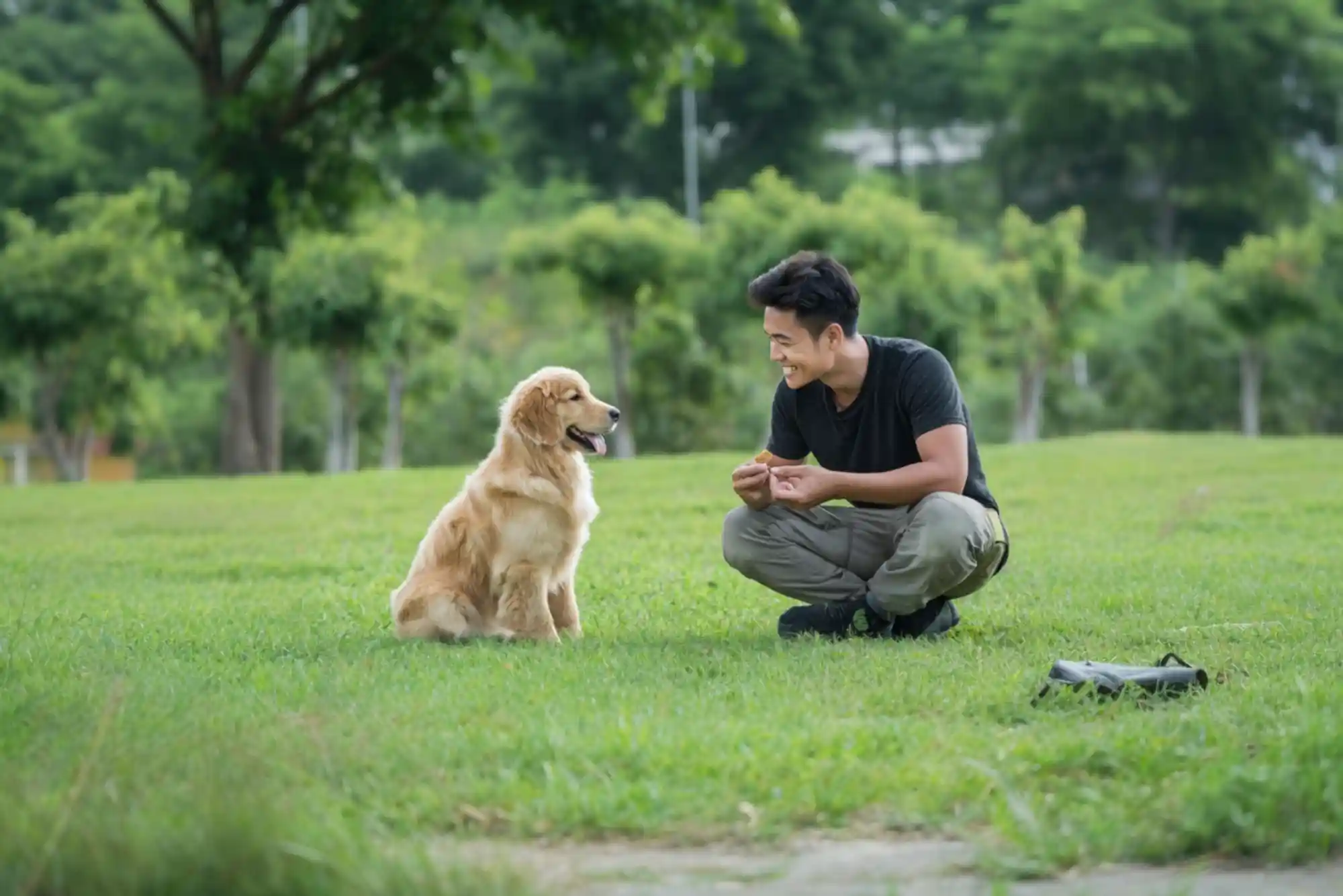
Reward calm behavior near the ramp. Next, encourage your dog to take a few steps across it.
Use treats, praise, or a favorite toy to create a positive association. Avoid pulling your dog onto the ramp.
The AKC recommends short practice sessions and gradual progression. It also advises against pushing or pulling dogs that are uncomfortable with mobility equipment.
Once your dog is comfortable, gradually introduce a small incline. Increase the height slowly rather than expecting immediate success.
Patience is particularly important for senior dogs. Their confidence may develop more slowly than that of younger dogs.
Common Mistakes When Buying a Dog Ramp
One common mistake is choosing a ramp that is too short. A short ramp may create a steep angle that your dog finds uncomfortable.
Another mistake is ignoring traction. A smooth surface can become dangerous when a senior dog’s balance is already reduced.
Some owners also focus too heavily on price. A cheaper ramp may not provide the stability or construction needed for a large senior dog.
Another issue is failing to measure the destination. Bed height and SUV loading height vary considerably.
Finally, never assume mobility problems are simply part of aging. Difficulty jumping or climbing can indicate arthritis or another orthopedic problem. A veterinarian should evaluate significant changes in mobility.
Other Ways to Protect Senior Dog Joints
A ramp works best as part of a broader mobility plan.
Non-slip flooring can help prevent falls around the house. Rugs, runners, and traction mats can make smooth floors easier to navigate.
An orthopedic bed can provide additional resting support. Keeping food, water, and sleeping areas accessible may also reduce unnecessary movement.
Weight management is important as well. Excess body weight can increase stress on aging joints. Your veterinarian can help determine an appropriate weight and feeding plan.
Regular, appropriate movement can also support mobility. However, exercise should match your dog’s condition and veterinary recommendations.
Frequently Asked Questions
Are ramps good for dogs with arthritis?
Yes, ramps can help dogs with arthritis access beds, furniture, and vehicles. They reduce the need for jumping and provide a gradual walking surface. PetMD and veterinary sources recommend ramps as useful mobility aids for dogs with joint problems.
Is a ramp or stairs better for an older dog?
It depends on the dog’s mobility, balance, size, and health condition. Ramps are generally useful for dogs that struggle with stairs or jumping. Your veterinarian can help select the safest option.
What angle should a dog ramp be?
There is no single angle suitable for every dog. A longer ramp creates a gentler incline. Senior dogs with painful joints generally benefit from avoiding steep climbs.
How do I get my older dog to use a ramp?
Begin with the ramp flat on the ground. Allow your dog to investigate it at their own pace. Reward calm interaction with treats and praise.
Then introduce the ramp gradually. Avoid forcing your dog onto it because that can create fear or resistance.
Are dog ramps worth it for SUVs?
They can be particularly useful for senior, arthritic, or large dogs. A ramp can eliminate the need to jump into the vehicle. Choose one with appropriate length, traction, stability, and weight capacity.
Conclusion
The Best Orthopedic Dog Ramps for Beds and SUVs: Preventing Joint Strain in Senior Dogs can make everyday mobility considerably easier. A properly selected ramp reduces jumping and gives senior dogs a more controlled route onto elevated surfaces.
Related Reading: Best Tactical Dog Harnesses with Handle for Large Breeds and Service Dogs — full guide
Related Reading: How to Stop a Dog from Barking at Other Dogs on Leash: Reactivity Protocol — full guide