
Introduction
Bringing a rescue dog home can be deeply rewarding, but the transition can also be difficult. Some rescued dogs struggle when their trusted person leaves. They may bark, pace, destroy furniture, or become distressed within minutes. These behaviors are not always simple disobedience. Often, they indicate fear or anxiety connected to being alone.
Understanding the Signs of Separation Anxiety in Rescue Dogs: Proven Calming and Desensitization Routine can help owners respond with patience. Rescue dogs may have experienced abandonment, unstable housing, neglect, or repeated changes in caregivers. However, separation anxiety can also develop without a known traumatic history. Genetics, temperament, sudden routine changes, and excessive dependence can all contribute.
The good news is that many dogs can improve with a carefully structured approach. The goal is not to force a dog to tolerate long absences. Instead, training should gradually teach the dog that being alone is safe. A calm environment, predictable routine, and gradual desensitization can make a meaningful difference.
What Is Separation Anxiety in Rescue Dogs?
Separation anxiety is a distress response that occurs when a dog is separated from a person or people to whom it is strongly attached. The reaction may begin before the owner even leaves. Some dogs become anxious when they see shoes being put on or keys being picked up.
Rescue dogs can be particularly sensitive during their adjustment period. A newly adopted dog may follow its owner from room to room. It may become unsettled when a door closes between them. While attachment is normal, intense distress requires a different approach.
It is important to remember that separation anxiety is not deliberate misbehavior. A distressed dog is responding emotionally rather than trying to punish its owner. Therefore, punishment can increase fear and make the problem harder to manage.


Signs of Separation Anxiety in Rescue Dogs
The Signs of Separation Anxiety in Rescue Dogs: Proven Calming and Desensitization Routine begins with recognizing the behavior accurately. Anxiety can appear in several ways, and some signs are easier to notice than others.
A dog may bark, howl, whine, or scratch at doors shortly after its owner leaves. Some dogs repeatedly pace around the house or stare toward windows and doors. Others attempt to escape through doors, crates, or windows. These behaviors can become dangerous when a frightened dog tries to force its way outside.
House soiling can also occur despite previous toilet training. Excessive drooling, panting, trembling, and repeated yawning may indicate significant stress. Some dogs refuse food when left alone, even when they normally have a strong appetite.
Destructive behavior is another common concern. Dogs may chew furniture, doors, carpets, or personal belongings. However, destruction caused by separation anxiety often occurs primarily during absences.
A useful way to understand the pattern is to record the dog after leaving. A simple camera can show when anxiety begins and what behavior appears first. This information can help owners create an appropriate training plan.
Why Rescue Dogs May Develop Separation Anxiety
Rescue dogs do not all have the same history. Some arrive from shelters with limited information about their previous experiences. Others have lived with several families before reaching a permanent home.
Frequent changes can make stability especially important. A dog that has experienced repeated separation may become highly concerned when its new caregiver disappears. The dog may fear another loss, even though the current home is safe.
At the same time, not every rescue dog with clingy behavior has separation anxiety. Newly adopted dogs often need time to understand their surroundings. Following an owner around may simply reflect uncertainty during the adjustment period.
For this reason, owners should observe behavior over time. Anxiety that consistently appears during separation is more concerning than temporary attachment during the first few days.
Creating a Calming Environment Before Training
Successful desensitization begins with reducing unnecessary stress. A dog should have a comfortable area where it can rest without constant disturbance. This space might contain a comfortable bed, familiar-smelling bedding, and safe enrichment.
Predictability is equally important. Regular feeding, exercise, rest, and training times can help a rescue dog understand what happens next. Predictable routines do not eliminate anxiety, but they can reduce uncertainty.
Exercise may also support relaxation. A suitable walk or play session before training can help a dog settle. However, excessive exercise should not be used to exhaust an anxious dog into submission. Emotional relaxation matters as much as physical tiredness.
Owners should also avoid making departures and arrivals emotionally intense. Quiet departures can make the transition less dramatic. Similarly, calm greetings can help prevent the dog from viewing every reunion as an extraordinary event.
The Proven Desensitization Routine
The central principle behind the Signs of Separation Anxiety in Rescue Dogs: Proven Calming and Desensitization Routine is gradual exposure. The dog should experience separation at a level that remains manageable.
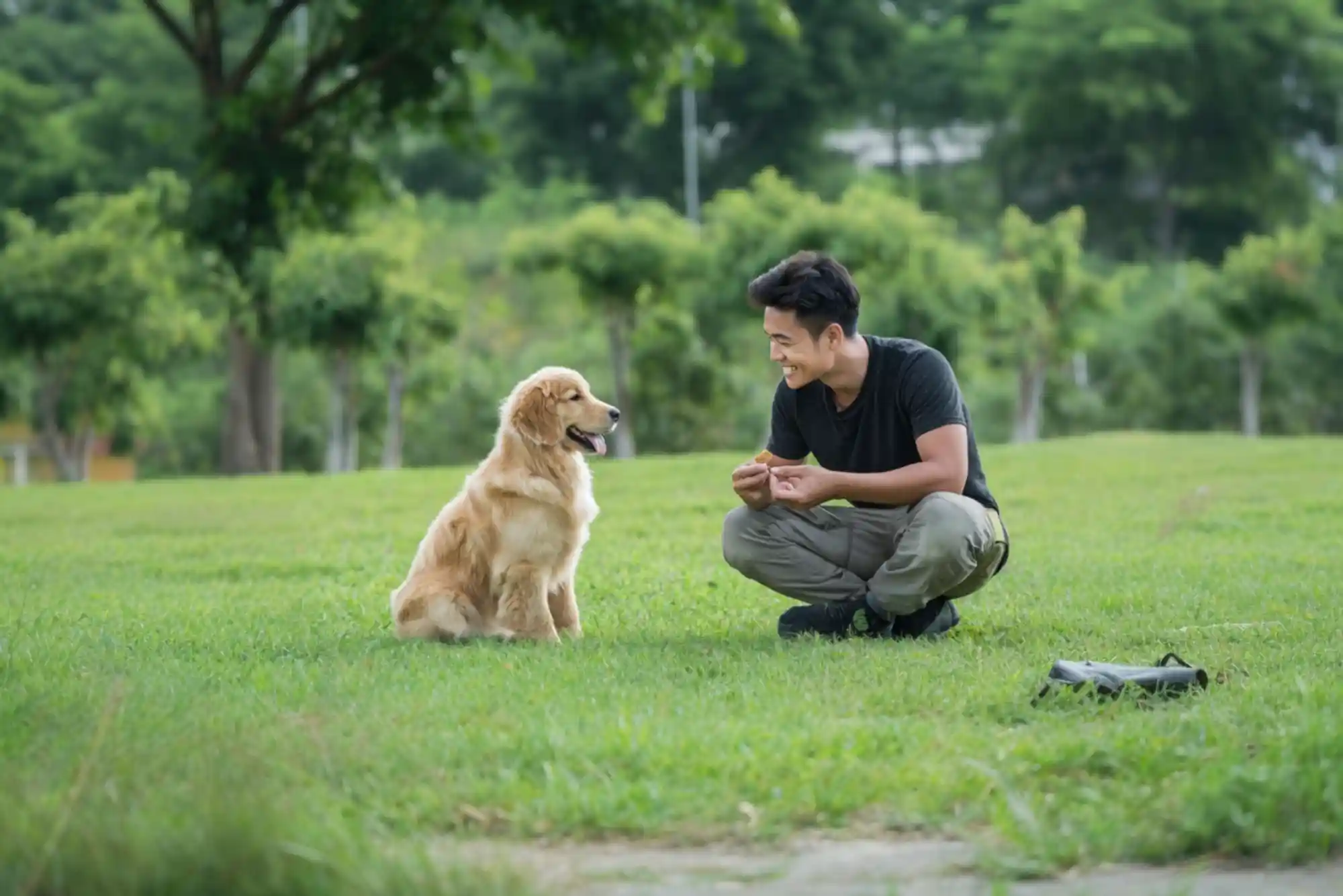
Start with extremely short absences. For some dogs, this may mean stepping into another room for only a few seconds. If the dog remains relaxed, the owner can gradually increase the duration.
The key is to return before significant anxiety develops. If the dog begins barking, scratching, pacing, or showing obvious distress, the exercise was probably too difficult. The next session should be easier.
Over time, the owner can introduce slightly longer separations. The progression should be flexible rather than based on a fixed timetable. One dog may progress within days, while another may need several weeks.
It is also useful to practice independence while everyone is still home. Encourage the dog to relax on its bed while the owner moves around the house. Short periods behind an internal door can gradually become normal.
Desensitizing Departure Cues
Many anxious dogs react before their owners actually leave. They may recognize the sound of keys, shoes, coats, bags, or a particular door opening.
These signals can become associated with loneliness. Therefore, owners can practice performing departure cues without leaving. Pick up the keys, then sit down. Put on a coat, then make a cup of tea. Walk toward the door, then return to normal activities.
Repeated calmly, these exercises can weaken the connection between departure signals and prolonged isolation. The dog learns that these cues do not always predict abandonment.
However, sessions should remain relaxed. If the dog becomes visibly anxious, the cue should be presented at a lower intensity or followed by an easier exercise.
Building Independence at Home
A rescue dog should gradually learn that it can relax without constant physical contact. This does not mean ignoring the dog or withholding affection.
Instead, reward calm independent behavior. If the dog chooses to rest on its bed, allow that behavior to continue without immediately calling it over. If it settles while the owner works elsewhere, calmly reinforce the relaxed state.
Food-based enrichment can also encourage independent activity. Safe puzzle toys or long-lasting enrichment may give the dog something positive to focus on.
The objective is to create a healthy balance. A confident dog can enjoy human companionship while also feeling secure during short periods of separation.
What Not to Do With an Anxious Rescue Dog
Punishment should not be part of separation anxiety treatment. Yelling at a dog after returning home can increase fear without teaching the desired behavior.
Similarly, deliberately leaving a severely anxious dog alone for hours is unlikely to solve the problem. Flooding a dog with an overwhelming experience can strengthen the emotional response.
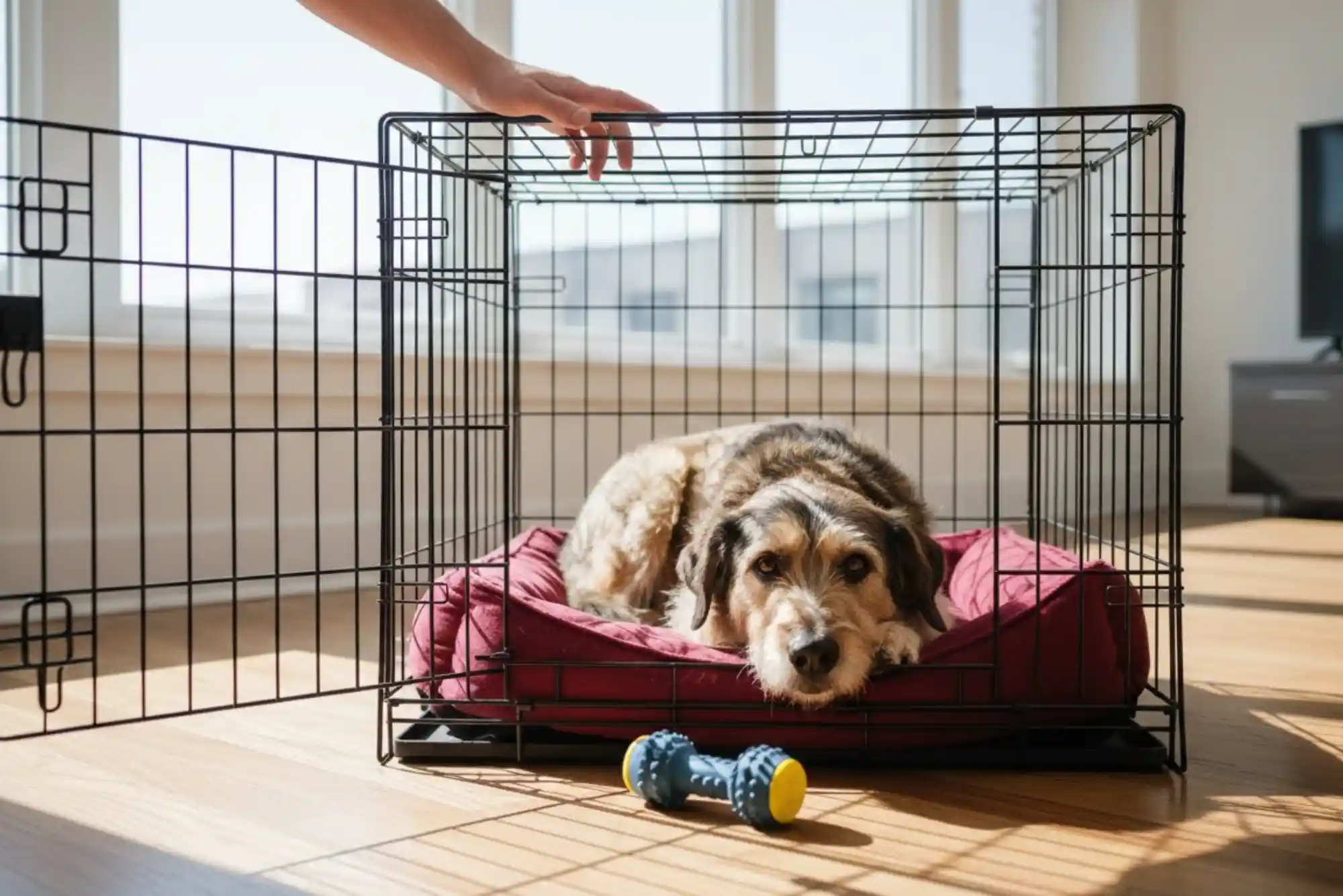
Crate training also requires careful consideration. A crate can be a safe resting place for a dog that already enjoys it. However, forcing a panicked dog into a crate can create additional stress and may lead to escape attempts or injury.
The treatment should always match the individual dog’s emotional threshold. Progress is usually more sustainable when the dog remains below the point of overwhelming distress.
When Professional Help Is Necessary
Mild separation-related behavior may improve with consistent home training. However, professional assistance is appropriate when anxiety is severe or persistent.
A veterinarian should be involved when a dog shows intense distress, self-injury, significant appetite changes, or sudden behavioral changes. Medical conditions can sometimes contribute to changes in behavior, so health problems should not be overlooked.
A qualified veterinary behavior professional or experienced force-free trainer can also help create a structured behavior modification program. In severe cases, a veterinarian may discuss whether medication could support the training process.
Medication does not replace behavior modification. Instead, it may sometimes reduce overwhelming anxiety enough for a dog to learn new coping skills.
How Long Does Separation Anxiety Training Take?
There is no universal timeline for separation anxiety recovery. The answer depends on the dog’s history, temperament, environment, severity of anxiety, and consistency of training.
Some dogs show early improvement after establishing a predictable routine. Others require months of carefully managed practice. Progress can also fluctuate. A dog may handle five minutes successfully one day and struggle with the same duration later.
This does not necessarily mean training has failed. Stress, environmental changes, illness, or disrupted routines can temporarily reduce a dog’s ability to cope.
The most useful measure is gradual improvement over time. Small successes matter because they show the dog that separation can be safe.
Can a Rescue Dog Outgrow Separation Anxiety?
Some dogs become more comfortable as they settle into their new homes. However, serious separation anxiety should not simply be ignored in the hope that it disappears.
Early support can prevent anxious patterns from becoming more established. Owners can encourage independence while providing predictable care and carefully controlled separation practice.
The Signs of Separation Anxiety in Rescue Dogs: Proven Calming and Desensitization Routine should therefore focus on teaching emotional security rather than forcing independence.
A rescue dog does not need to become completely indifferent to its owner’s absence. The realistic goal is a dog that can remain comfortable and safe when left alone.
Frequently Asked Questions
What are the signs of separation anxiety in dogs?
Common signs include barking, whining, pacing, destructive behavior, house soiling, escape attempts, excessive panting, drooling, and intense distress after an owner leaves. Some dogs also become anxious when they notice departure cues.
How do you calm a rescue dog with separation anxiety?
Start by creating a predictable routine and comfortable resting area. Then practice very short separations that remain below the dog’s anxiety threshold. Gradually increase duration as the dog becomes more comfortable.
How long does it take to cure separation anxiety in dogs?
There is no fixed recovery period. Mild cases may improve relatively quickly, while severe cases can require months of structured behavior modification and professional support.
Should I ignore my dog with separation anxiety?
Ignoring an anxious dog is not a complete treatment strategy. Instead, teach calm independence through gradual training. Avoid reinforcing frantic behavior while still providing appropriate care and reassurance.
Does crate training help separation anxiety?
A crate can help when the dog already considers it a safe place. However, confinement can worsen distress in some dogs. Never assume that a crate will solve separation anxiety by itself.
Can separation anxiety in dogs be completely cured?
Many dogs can significantly improve with appropriate management and behavior modification. Some may remain more sensitive to separation than others. Long-term success usually depends on consistent training and careful management.
Conclusion
Recognizing the Signs of Separation Anxiety in Rescue Dogs: Proven Calming and Desensitization Routine is the first step toward helping a worried dog feel secure. Rescue dogs often need patience, consistency, and time to understand that their new home is permanent.
Related Reading: Best Tactical Dog Harnesses with Handle for Large Breeds and Service Dogs
Related Reading: Signs of Hypothermia and Frostbite in Dogs: Cold Weather Safety Temperature Limits
Related Reading: How to Crate Train an Older Rescue Dog with Separation Fears and Phobias